

Hormonal skin changes during menopause
Hormonal skin changes during menopause affect almost every woman – whether it's dryness, late-onset acne, or loss of tone and elasticity. Estrogen, progesterone, and androgens have a visible effect on the skin's structure. However, with the right care, the complexion can be stabilized and improved.
What causes hormonal skin changes during menopause?
With the onset of menopause, estrogen, progesterone, and androgens become unbalanced. These hormonal changes directly affect sebum production, moisture balance, and skin renewal. This can lead to various skin problems.
Estrogen deficiency also affects the skin
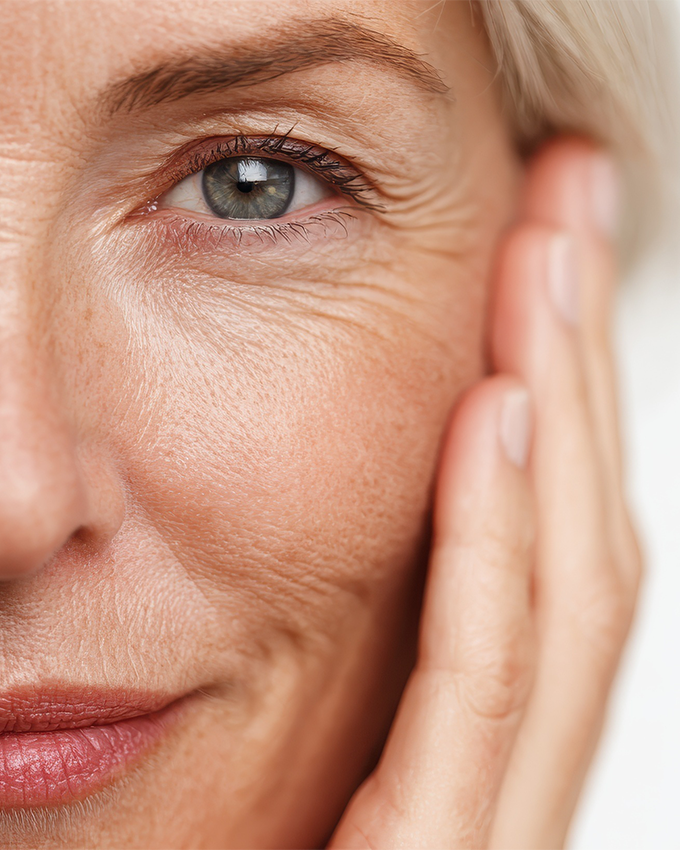
Estrogen stimulates collagen formation, promotes blood circulation, and ensures plump, elastic skin. When estrogen levels drop, the skin becomes thinner, drier, and loses its natural elasticity.
Progesterone deficiency causes dry skin and reduced sebum production
A lack of progesterone reduces sebum production. The skin is less able to retain moisture, which manifests itself in feelings of tightness, dryness, and a dull complexion.
Androgen dominance as a trigger for hormonal acne
A relative excess of androgens increases sebum production and can promote inflammation and late-onset acne, especially in the lower third of the face.
Dry skin due to hormone deficiency
If the hormonal moisture booster estrogen is lacking, the skin becomes dry, rough, and more prone to irritation. The lipid barrier also weakens, which can cause a feeling of tightness.
Late acne & blemished skin during perimenopause
Blemished skin is not just a teenage problem – hormone-related pimples or blackheads can also occur during menopause, especially on the chin and cheeks.
Thinning skin & wrinkles
As estrogen levels decline, the skin loses density. Collagen and elastin are produced more slowly, leading to an increase in wrinkles, loss of contour, and sagging skin.
Increased sensitivity and redness
The skin barrier becomes more unstable, which can lead to redness, irritation, or rosacea. The skin reacts more sensitively to environmental stimuli and skincare products.
Moisturizing & hormone-friendly care
Ingredients such as hyaluronic acid, Q10, ceramides, phytoestrogens
Hyaluronic acid plumps up dryness lines, while ceramides strengthen the skin's barrier. Q10 is a powerful antioxidant that promotes collagen and elastin production and improves the skin's moisture retention. Phytoestrogens from soy or red clover have a hormone-like effect and support the skin's natural metabolism.
Cleansing without irritation – ideal for sensitive skin
Gentle cleansing products without alcohol and aggressive surfactants remove dirt without irritating the skin. Ideal: pH-neutral formulations with soothing plant extracts.
Active ingredients against hormonal acne
Niacinamide, retinol, zinc, Thymus vulgaris, and BHA (salicylic acid)
These active ingredients have anti-inflammatory properties, regulate sebum, and clarify the complexion. Particularly effective for late-onset acne—without drying out the skin.
Lightweight, non-comedogenic skincare products
Fluids, gels, emulsions, or so-called “light creams” with a mattifying effect prevent pores from clogging—ideal for oily yet dehydrated skin.
Nutrition & Lifestyle as Support
Omega-3 fatty acids, bitter compounds, antioxidants, stress reduction
Healthy fats, secondary plant compounds, and a conscious lifestyle support the skin from within. Less sugar and more sleep ensure greater balance and less inflammation.
Hormonal treatment approaches (HRT, phytotherapy)
Hormone replacement therapy or herbal alternatives can help to alleviate symptoms such as dry skin or acne. The decision should be made on an individual basis with medical supervision.
This may also be interesting:
Skin problems on the face during menopause
Skin problems on the face during menopause are not uncommon – hormonal changes have a direct effect on the appearance...

Blemished skin during menopause
Blemished skin during menopause is not an uncommon phenomenon. Hormonal changes, altered skin needs, and a sensitive balance lead to late-onset acne...

Pigmentation spots during menopause
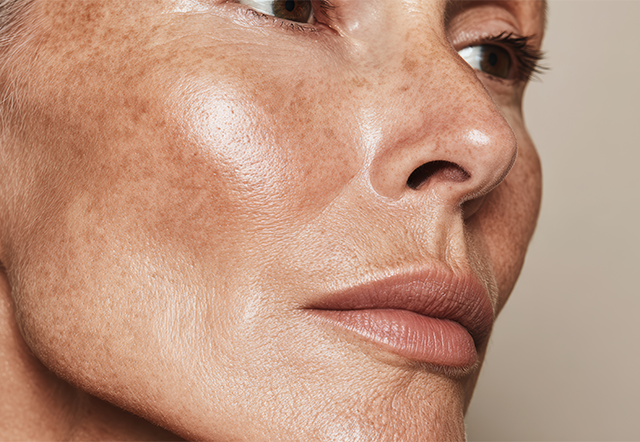
Pigmentation spots during menopause are often the result of hormonal changes combined with UV radiation. The skin produces melanin irregularly...
Dr. Spiller Instagram
Follow us and become part of the Dr. Spiller Instagram community!