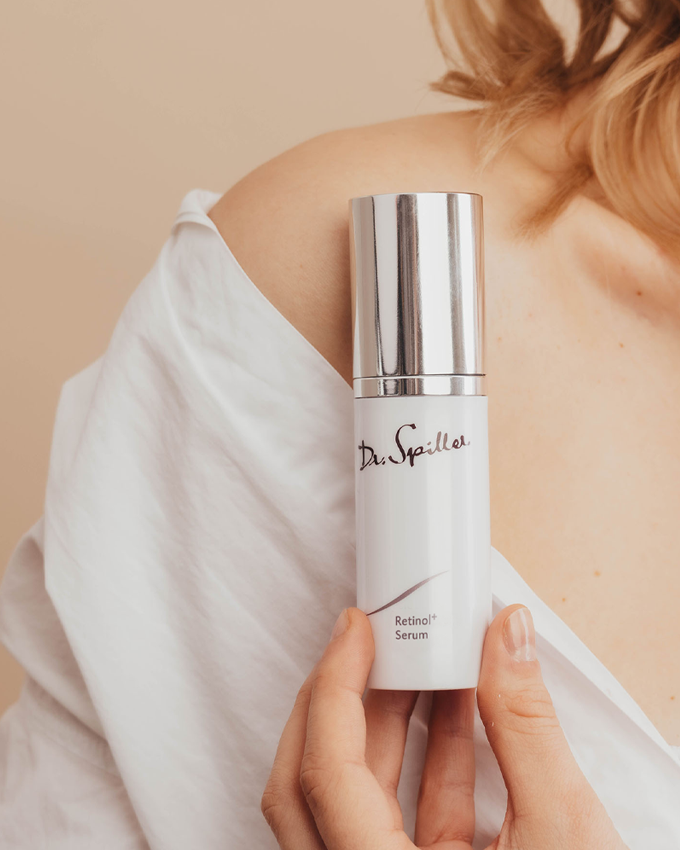
Skin Advisor

Retinol initial worsening

Retinol initial worsening often occurs in the first few weeks of use. The skin may react with irritation before its structure improves in the long term. With the right approach, side effects can be minimized.

The most important facts:

  • Redness, flaking, and dryness are typical reactions.
  • Causes: Skin renewal and adaptation to retinoids.
  • Slow introduction and low dosage prevent this.
  • Soothing active ingredients specifically alleviate irritation.
  • The initial worsening usually subsides after a few days.

How does an initial worsening of retinol manifest itself?

At the beginning of retinol use, symptoms resembling skin irritation may occur. These are usually temporary and a sign that the skin is reacting to the active ingredient.

Typical signs:

  • Dry or flaky skin
  • Redness or tightness
  • Slight burning or itching
  • Small pimples or blemishes
  • Hypersensitivity to skin care or cleansing products
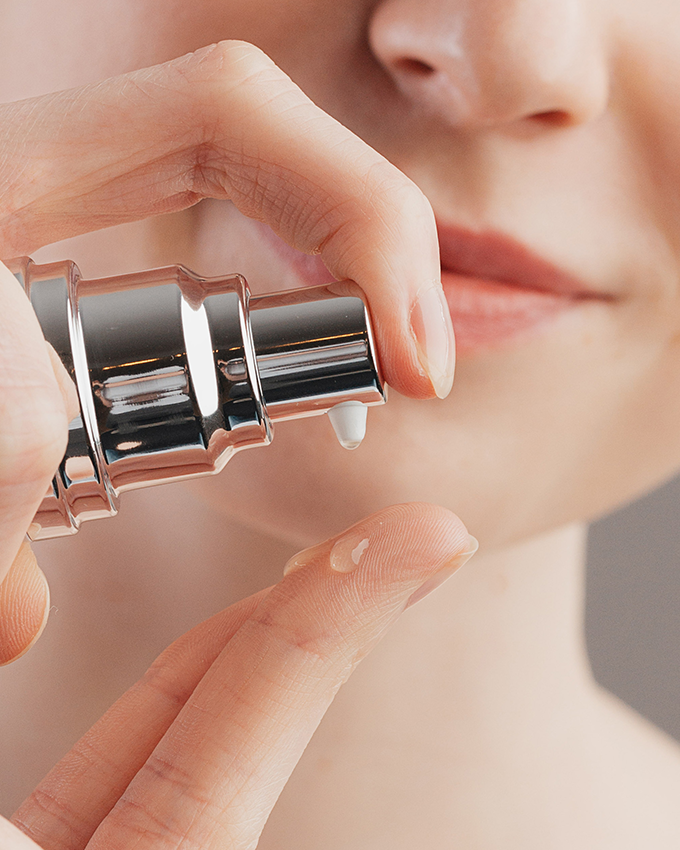
Retinol initial worsening
Retinol serum

What can you do to avoid initial worsening of symptoms when using retinol?

The key is to start gently. If you integrate retinol into your skincare routine slowly, your skin can get used to it step by step. It is important to have a soothing basic routine and sufficient moisture.

Helpful measures:

  • Start with 1–2 applications per week.
  • Only apply retinol in the evening.
  • Apply moisturizer underneath (serum) or on top (cream).
  • Always combine with SPF the following day.
  • Be sure to use sun protection during the day.
  • Avoid aggressive exfoliants.

How long does initial worsening last when using retinol?

Initial worsening usually subsides after a few days. The duration depends on skin sensitivity, concentration, and skincare routine. With consistent, gentle application, the skin usually calms down completely quickly.

How do you start a retinol routine correctly to avoid initial worsening?

A structured start is crucial. Skin-friendly concentrations, slow increases, and careful observation—this is how to start using retinol safely and effectively.

Recommended start:

  • Apply only every third evening.
  • Increase frequency of use after 2–3 weeks.
  • Apply to gently cleansed, prepared skin.
  • Follow with plenty of moisturizer.

Why can retinol cause initial worsening of symptoms?

The skin undergoes an intensive renewal process that removes old skin cells more quickly. This accelerated regeneration can initially lead to irritation or blemishes.

Causes in detail:

  • Overreaction of the skin barrier.
  • Increased skin permeability.
  • Inflammatory reaction to active cell renewal.
  • Retinoic acid sensitivity in sensitive skin.

When can retinol cause initial worsening of symptoms?

Symptoms usually appear 2–7 days after the first applications. Skin types with dry, sensitive, or already damaged skin barriers are particularly sensitive.

Common times:

  • After the first week (typical with daily use).
  • When switching to a higher retinol concentration
  • When using other active ingredients at the same time
  • After strong sun exposure or exfoliation.

What can be done to counteract initial worsening of symptoms with retinol?

If the skin is irritated, the best thing to do is to give it a rest. Taking a break from active ingredients and using soothing skincare products promotes regeneration. Supportive skincare products help to restore the balance of the skin barrier.

Immediate measures:

  • Take a break from retinol for 3–5 days.
  • Use soothing creams, e.g., with panthenol or bisabolol.
  • Do not use any other active ingredients such as AHA, BHA, or retinal.
  • Do not rub or scratch flaky skin.
  • Use soothing ampoules and face masks for relief.

What side effects can occur with retinol?

In addition to initial worsening, classic reactions such as redness, flaking, or increased sensitivity to light may occur. These effects occur particularly when used incorrectly or in excessive doses.

How can side effects be avoided?

Side effects can be largely avoided through controlled introduction, suitable accompanying care products, and targeted skin observation. A nourishing base and UV protection are essential.

Recommendations:
  • Increase concentration gradually.
  • Gentle cleansing & moisturizing care.
  • Do not use retinol if you have sunburn or have recently had a peel.
  • Consistently use SPF 30+ during the day.

Conclusion

Initial worsening with retinol is unpleasant, but usually harmless—and, above all, temporary. Those who are patient will benefit in the long term from visibly rejuvenated, finer skin texture. A gentle start is the key to lasting success.

This may also be interesting:

Retinol for acne scars

Retinol for acne scars

Retinol for acne scars is one of the most effective options in modern skincare. This proven active ingredient accelerates skin regeneration and reduces visible scarring.

Retinal or retinol

Retinal or retinol

Retinal or retinol – in skin care, both forms are considered effective derivatives of vitamin A. The choice depends on skin condition, tolerance and the desired effect.

Anti aging retinol against wrinkles

Retinol against wrinkles

Retinol is considered one of the most effective anti-aging ingredients in modern skin care. It visibly and specifically improves the appearance of the skin.

FOLLOW US!

Dr. Spiller Instagram

Follow us and become part of the Dr. Spiller Instagram community!

View on Instagram

View on Instagram

View on Instagram