Skin Advisor
For an even, refined, and rejuvenated complexion

AHA serum meets PHA power – the new generation of (fruit) acid skincare

AHA and PHA are modern methods for effective yet gentle skin exfoliation. The combination of AHA and PHA acids refines the complexion without causing irritation and is also suitable for sensitive skin. When used properly in a skincare routine, acids are neither aggressive nor irritating. 

In the right formulations, they are considered highly effective, gentle on the skin, and real game changers that can significantly support the maintenance and/or restoration of skin health and stimulate skin renewal processes. In this article, learn how AHAs and PHAs work, why these acids are so popular, and how you can safely incorporate them into your skincare routine.

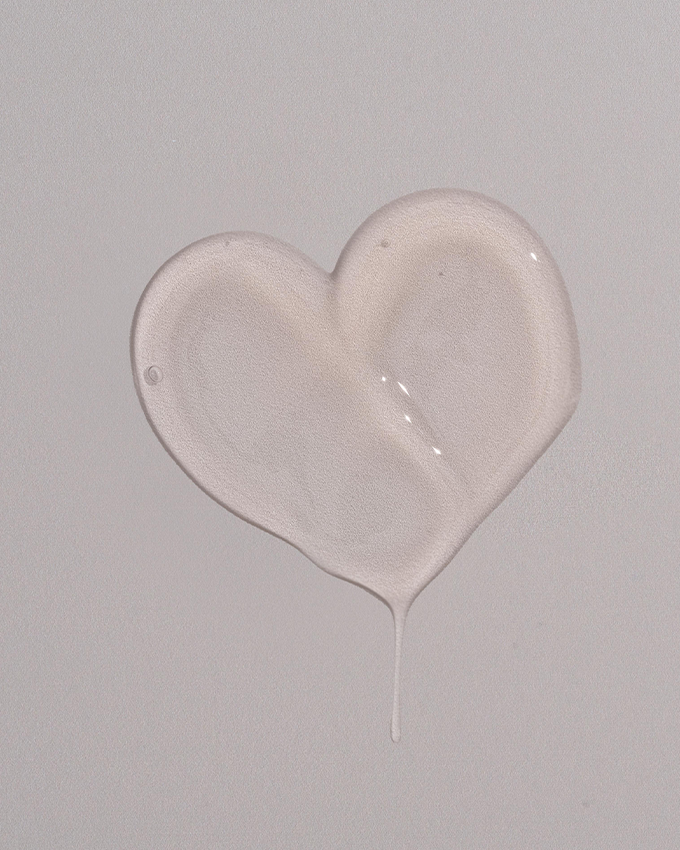
AHA PHA Fruit Acid Serum

What is AHA acid?

AHA stands for alpha hydroxy acids. These are natural, water-soluble fruit acids such as glycolic, malic, lactic, or citric acid. They have the smallest molecular size among acids and can therefore penetrate particularly deeply into the skin, where they take effect.  

How do AHA fruit acids work on the skin?

AHAs gently remove excess dead skin cells and promote the natural skin renewal process. With continuous use, the complexion becomes more even, pores appear refined, and pigment spots can lighten.  

What are the benefits of AHA acids?

AHAs have multiple effects on the skin and are particularly known for their exfoliating and skin-renewing properties. They lower the pH value of the skin locally and activate enzymes that loosen and remove the bonds between excess, dead skin cells. At the same time, cell renewal in the uppermost layer of skin is stimulated, resulting in smoother, more vital skin and improving the absorption of other active ingredients.

What is PHA acid?

PHA stands for polyhydroxy acid. These have not been known in the field of cosmetics for very long. They are a particularly gentle type of acid. Well-known examples are gluconolactone and lactobionic acid.  

How do PHA acids work on the skin?

PHAs also exfoliate the skin, but are significantly gentler in their action. They also bind moisture and have antioxidant properties. They are particularly beneficial for sensitive skin. They strengthen the skin barrier, soothe and promote a clear, even complexion without causing irritation.


What are the advantages of PHAs?

PHAs gently remove dead skin cells and are particularly suitable for sensitive skin. They moisturize, protect the skin and ensure a smooth, healthy and even complexion.

What is the difference between AHA & PHA?

AHAs have the smallest molecular size of the acids, which allows them to penetrate deeper into the skin. PHAs have a larger molecular size. They therefore have a more superficial effect, but are particularly gentle and low-irritant.

AHAs

  • Well-known examples include glycolic, malic, citric, and lactic acids
  • Exfoliate the skin particularly effectively
  • Moisturizing and pigment-lightening
  • Promote a smooth, even complexion
  • Moderate irritation potential

PHAs

  • Well-known examples include gluconolactone and lactobionic acid
  • Exfoliate the skin particularly gently
  • Suitable for sensitive skin prone to redness
  • Moisturizing and antioxidant
  • Low irritation potential
Want to know more?

AHAs specifically lower the pH value of the skin's surface, activating protein-degrading enzymes such as serine proteases (= enzymes that break down proteins). These enzymes break down the protein structures (corneodesmosomes) that hold the dead skin cells (corneocytes) together in the stratum corneum. This controlled breakdown of cell connections accelerates the shedding of dead skin cells (desquamation). At the same time, cell division (= mitosis) in the basal layer (stratum basale) of the epidermis (outer skin) is stimulated, which promotes epidermal cell renewal. This makes the skin appear smoother, more even, and finer-pored. In addition, the reduced stratum corneum improves the penetration of subsequent active ingredients into the epidermis. PHAs are similar in their mode of action, but penetrate the skin much more gently and therefore have a gentler effect.

How do AHA and PHA acids work together on the skin?

Combining both acids combines deep effectiveness and skin compatibility. AHAs remove dead skin cells, promote cell renewal, and have a moisturizing effect. PHAs gently complement this effect.& nbsp;

Moisture is retained in the skin, the skin is protected from negative external environmental factors, and the skin barrier is strengthened in the long term. Regular use removes (excess) calluses, cleanses the skin deep into the pores, and visibly rejuvenates it. The result is healthy, even, radiant, and receptive skin.

Our new AHA & PHA Gingkosomen Serum

Dr. Spiller's AHA & PHA Gingkosome Serum contains an extremely effective yet gentle combination of deeply penetrating alpha hydroxy acids such as glycolic, lactic, malic, and citric acids, as well as mild, high-molecular polyhydroxy acids such as lactobionic acid and gluconolactone. These particularly effective and well-tolerated (fruit) acids dissolve (excess) calluses and accelerate skin renewal processes. 

The product's pH value of 3 supports the optimal effect of the acids it contains. Ginkgo leaf extract stimulates the skin's metabolism and, thanks to its antioxidant effect, combats the progression of premature skin aging processes. Fine orange blossom water has a soothing effect.

Our new AHA & PHA Gingkosome Serum is exclusively included in the BEAUTY JUNGLE SPECIAL.

SPECIAL
Dr. Spiller BEAUTY-JUNGLE Gift Set
SIGNATURE COLLECTION
BEAUTY JUNGLE SPECIAL
Six perfectly coordinated bauty miracles for radiant, healthy skin!
€149.00*
AHA PHA Serum Application

How do you use (fruit) acids in your skincare routine?

Acids can be incorporated into your daily skincare routine. The best time to use them always depends on the texture of the product in which the acids are processed. If they are used in a serum, for example, this is applied to the face, neck, and décolleté after cleansing (cleansing and toning). After a short application time, the individual final care product is then applied. 

If the skin is not used to acids, it is recommended to slowly introduce the product into the skincare routine: the product is applied two to three times a week at the beginning so that the skin can slowly get used to the power of the active ingredients. After this adjustment period, the product can be used in the daily skincare routine.

Want to know more?

An insight into skin physiology and the importance of skin pH:

Our skin surface is protected by what is known as the hydrolipid or acid mantle. This consists of sebum (fat-soluble components), sweat (water-soluble components), and natural microflora (microorganisms). 

The pH value plays a central role in skin health and is ideally between 4.8 and 5.5. 

In general, the pH value indicates how acidic or alkaline a substance is (such as the skin itself or a cosmetic product). The pH scale ranges from 0 (strongly acidic) to 7 (neutral) to 14 (strongly alkaline). In certain cases, this pH value can shift and the skin is no longer able to maintain its natural balance on its own. This often results in changes in the form of a disturbed and damaged skin barrier, impurities, and calluses. In such situations, (fruit) acids can help to normalize the pH value and strengthen the skin in the long term.

What should you pay attention to when using the product?

Careful use of fruit acids leads to optimal results without causing irritation. When using these products, it is important to allow your skin to gradually become accustomed to the active ingredients. Specifically, this means slowly integrating the product into your twice-daily skincare routine. If irritation occurs, it is advisable to temporarily discontinue use. 

As a general rule, always moisturize sufficiently. Ideally, use a soothing face serum or a nourishing face cream that strengthens the skin barrier. In addition, the use of acids makes the skin more sensitive to light. It is therefore advisable to apply a sufficiently high sun protection factor during the day.

What skin types is a (fruit) acid facial serum suitable for?


AHA and PHA serums are suitable for almost all skin types—from oily and blemished to dry and sensitive skin. AHAs are particularly effective for enlarged pores, fine lines, and hyperpigmentation. PHAs, on the other hand, are ideal for sensitive skin thanks to their particularly mild effect. Their use is recommended for dull complexions, uneven skin texture, and those who desire more refinement and evenness.

Woman with cream on skin

What skin types is a (fruit) acid facial serum suitable for?

AHA and PHA serums are suitable for almost all skin types – from oily and blemished to dry and sensitive skin. AHAs are particularly effective for enlarged pores, fine lines, and hyperpigmentation. PHAs, on the other hand, are ideal for sensitive skin thanks to their particularly mild effect. They are recommended for dull complexions, uneven skin texture, and those who want more refinement and evenness.

Conclusion

AHAs and PHAs are optimal active ingredients in modern skin care formulations, combining deep action with skin compatibility. The two acids complement each other perfectly: AHAs exfoliate, refine, and smooth the skin deep down, while PHAs exfoliate, protect, and soothe the skin. In innovative formulations such as Dr. Spiller's AHA & PHA Ginkgosomen Serum, they unleash their potential with maximum effectiveness and maximum tolerance.

References

Almeman A. et al. (2024): Evaluating the Efficacy and Safety of Alpha-Hydroxy Acids in Dermatological Practice: A Comprehensive Clinical and Legal Review. In: Clin Cosmet Investig Dermatol; Jul 16;17:1661-1685.

Algiert-Zielinska B. (2018): Comparative evaluation of skin moisture aftertopical application of 10% and 30% lactobionic acid. J Cosmet Dermatol; 17:1096-1100.

Jarząbek-Perz S. et al. (2021): Corneometric evaluation of skin moisture after application of 10% and 30% gluconolactone. In: Skin Research and Technology, 27, 925-930.

Rendon M. et al. (2010): Evidence and considerations in the application of chemical peels in skin disorders and aesthetic resurfacing. J Clin Aesthet Dermatol. Jul;3(7):32-43.

FOLLOW US!

Dr. Spiller Instagram

Follow us and become part of the Dr. Spiller Instagram community!

View on Instagram

View on Instagram

View on Instagram