

Sensitive & Hypersensitive Skin
Learn about the difference between sensitive and hypersensitive skin and find out what your skin needs. Understand typical symptoms and causes and discover soothing, protective and strengthening skincare.

What is sensitive and hypersensitive skin?
Sensitive skin is increasingly becoming a focal area of dermatological research – and for good reason. After all, the needs of sensitive skin are as unique as they are challenging. Many of us know the feeling: Seemingly out of the blue, our skin suddenly feels taut and itchy, and unsightly red splotches appear. Studies have shown that 50-60% of women and 30-40% of men in the industrialized world suffer from some form of sensitive skin. Managing this skin condition is even more of a challenge when the skin becomes hypersensitive and overreacts to the smallest of triggers. For anyone with sensitive skin, finding a daily skincare regimen that works takes time and a great deal of patience. In this article, we will take a closer look at what skin sensitivity and hypersensitivity are, how to tell the difference and how to best support your skin without overwhelming it. Gentle skincare and a straightforward routine are the keys to success, so you can have the great feeling of knowing you are giving your skin exactly what it needs.
At a glance:
- Many people have sensitive skin. It manifests in the form of increased sensitivity to stimuli such as temperature extremes and skincare products, usually in the form of tightness, itching or redness. Hypersensitive skin reacts more strongly and more quickly, and reactions can be triggered by the tiniest stimuli. Hypersensitive skin can also be accompanied by (slight) swelling.
- Both sensitive and hypersensitive skin are caused by a weakened, impaired skin barrier that provides reduced protection against environmental stressors such as UV radiation, temperature changes, air pollution and stress. Genetics, hormonal changes and chronic skin conditions can also play a role, especially in hypersensitive skin.
- Sensitive skin is usually accompanied by mild to moderate symptoms that subside quickly. Hypersensitive skin, on the other hand, tends to present in the form of very pronounced, long-lasting reactions. Determining the right skincare regimen and uncovering the triggers can be even more challenging and time-consuming with hypersensitive skin.
- For best results, use a targeted approach to strengthening the skin barrier. First and foremost, try to avoid potential irritants in skincare products such as alcohol, fragrances and essential oils. Cleanse the skin using mild, lipid-replenishing products and remember to protect the skin against external triggers such as cold or dry air and stress.
- A skin-friendly diet rich in Omega 3 fatty acids, antioxidants and probiotic foods such as fish, berries, vegetables and yoghurt can help fortify the skin barrier from the inside out. Ideally, avoid sugar and convenience foods as much as possible.
- Rosacea-prone skin is sensitive to numerous triggers such as temperature change, spicy food, UV radiation and certain skincare products. Talk to your healthcare provider about a potential rosacea diagnosis and treatment plan. For sensitive skin, we recommend the Dr. Spiller Alpine Aloe line of products. For hypersensitive skin, try the extra-gentle Dr. Spiller SENSICURA line.
What are the potential causes?
Sensitive skin is generally caused by a slightly impaired skin barrier that provides less protection against external irritants. Common triggers are environmental factors such as UV radiation, cold, heat or air pollution. A genetic predisposition can also be a factor, as can hormonal changes during various life stages such as puberty or pregnancy. Sensitive skin can feel tight or become redden in reaction to mild stimuli (e.g. certain ingredients in skincare products, changes in the weather); mental stress can further increase sensitivity. In hypersensitive skin, the skin barrier is already severely damaged or naturally hyperreactive. Even minute irritations trigger intense reactions. Often, the causes are similar to sensitive skin, with the symptoms being much more pronounced. Environmental stressors, allergies to ingredients and intolerances lead to more severe symptoms. Hormonal fluctuations and mental stress can also increase existing hypersensitivity. Chronic skin conditions such as neurodermatitis or rosacea may also play an important role. Cosmetic treatments or medications that further weaken the skin barrier can make hypersensitive skin even more sensitive.
What are the differences?
The difference between sensitive and hypersensitive skin primarily lies in the intensity and type of reaction to external stimuli. Sensitive skin usually exhibits a mild to moderate reaction in the form of slight tautness, redness or dryness. These symptoms subside relatively quickly. Hypersensitive skin, on the other hand, often presents with very intense and sometimes longer-lasting reactions such as intense burning, itching or even swelling, often in response to minute or normally well tolerated stimuli. Whereas sensitive skin can generally be stabilized with gentle skincare, hypersensitive skin often requires careful management and extremely mild skincare products as well as a precise investigation or causes.
What helps with (hyper)sensitive skin?
In sensitive and hypersensitive skin, it is important to specifically strengthen the skin barrier, avoid irritation, and increase the skin’s irritation threshold. The following tips will help make your daily skincare regimen and skin care gentler and more effective. One key aspect is avoiding irritating substances in cosmetics. Alcohol, fragrances and essential oils should be avoided if at all possible. Instead, look for products with short ingredient lists and labeled for use with sensitive skin. Before adding any new product to your skincare regimen, test for potential reactions by applying it to the inside of the forearm and observing any reactions. Skin cleansing should also be as gentle as possible. Ideally, use a mild, lipid-replenishing cleanser. Remove with lukewarm (not hot) water. Cleanse the skin no more than twice a day, in the morning and evening, since excessive cleansing can also trigger a reaction. To strengthen the skin barrier, opt for skincare products with calming, skin-identical and skin barrier-strengthening ingredients that support skin structure and promote regeneration. Avoiding triggering factors such as cold, wind, dry indoor air (heating), UV radiation, household cleaners, abrasive mechanical peelings and stress is important for healthy skin. Also consider adding protective measures such as lipid-rich creams, humidifiers, sunscreen, protective clothing, relaxation exercises and sufficient sleep.
What skin care products are suitable?
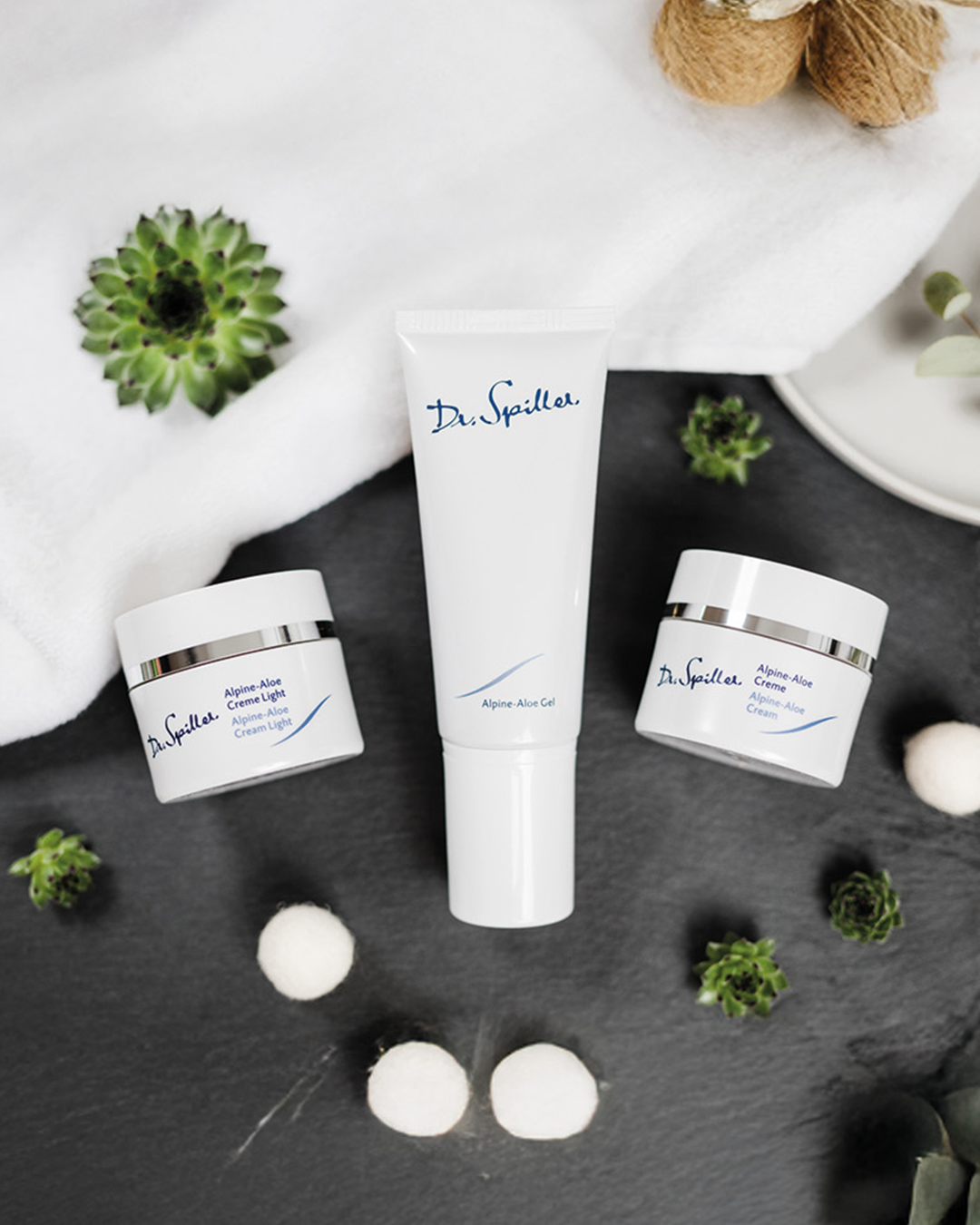
Soothing and regeneration for sensitive skin:
To cleanse the skin, we recommend using Dr. Spiller Aloe Sensitive Cleansing Milk in combination with Dr. Spiller Aloe Sensitive Tonic. These products gently cleanse and soothe the skin while optimally preparing it for subsequent active ingredient care.
For skincare, look to the Dr. Spiller Alpine Aloe line. Alpine aloe is one of Europe‘s oldest medicinal plants. It is particularly resilient and able to survive extreme conditions like long periods of heat, drought, and cold unharmed. It stores large amounts of water in its leaves and has a thick outer layer that prevents rapid evaporation. The innovative texture of this skincare line combines the characteristics of the robust Alpine Aloe plant with a number of precious plant-based actives to accelerate skin regeneration and effectively counteract damaging environmental factors. The unique combination of active ingredients lastingly calms the skin and strengthens the skin barrier for a pleasantly relaxed skin sensation. The Alpine Aloe products protect the skin against (oxidative) stress, support the lipid barrier and promote cell renewal. They also have a regenerative effect and reduce the depletion of collagen and elastin while inhibiting melanin formation. With alpine aloe, willow bark, panthenol and allantoin as key active ingredients, these products strengthen the skin barrier.
Structure & Skincare for Hypersensitive Skin
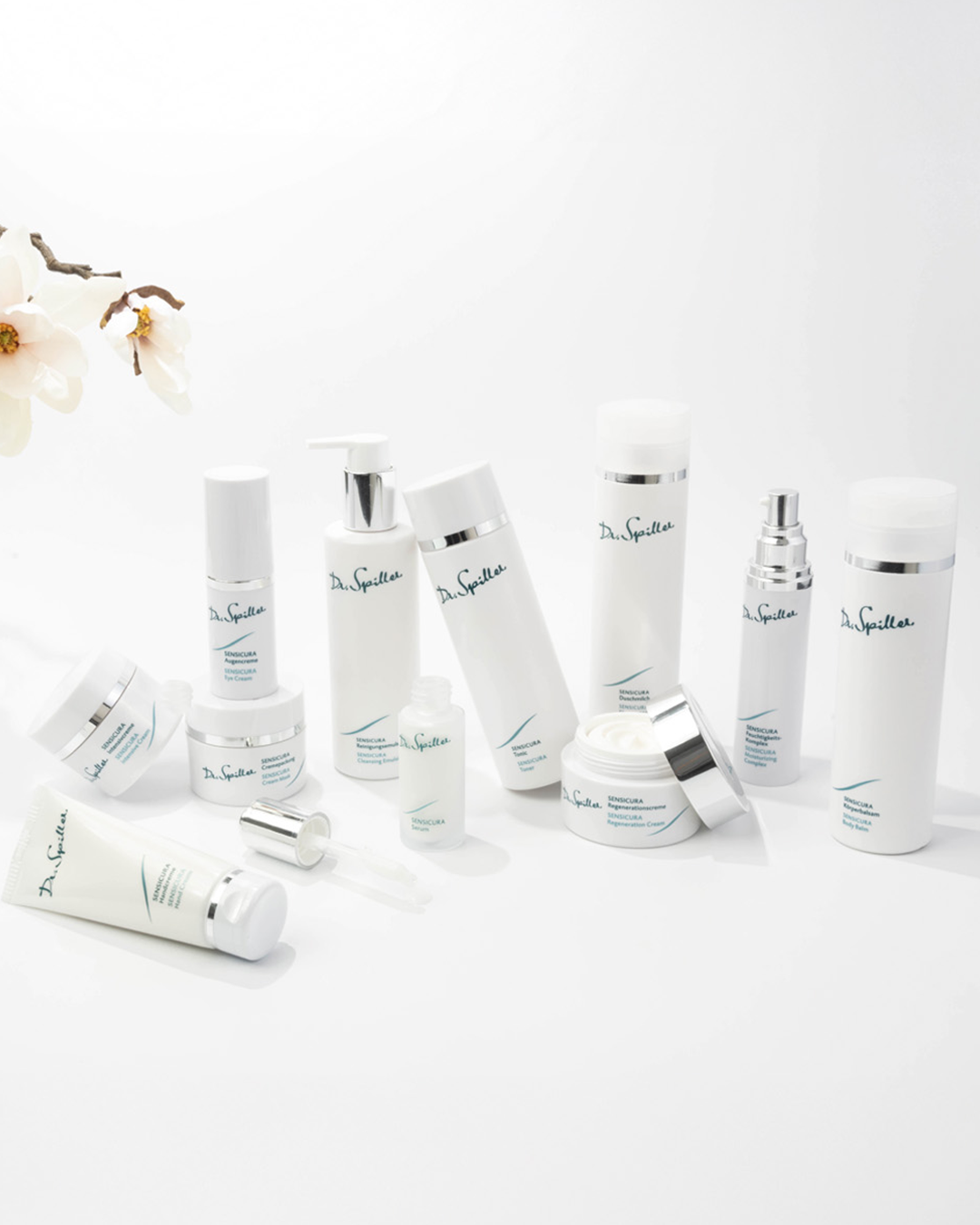
SENSICURA is the seamlessly soft, extremely well tolerated skincare line for hypersensitive skin and skin with an impaired barrier function. The SENSICURA products were developed to provide instant relief, targeted stabilization and lasting protection. The comprehensive combination of active ingredients provides the crucial effect: a fully intact skin barrier. Where dryness and irritation previously impaired wellbeing, SENSICURA provides a regenerated, supple and smooth complexion. SENSICURA is completely free of silicone, perfume oils and preservatives, and the line includes all the products you need for consistent, holistic skincare, from cleansing to deeply nourishing hydration.
The skincare concept of the Dr. Spiller SENSICURA line is based on precious, powerful active ingredients that both balance and calm the skin while also stabilizing and strengthening the skin barrier: magnolia bark extract, vitamin F complex, panthenol, allantoin and vitamin E are the key active ingredients of the SENSICURA line.
The impact of diet on (hyper)sensitive skin
“You are what you eat” is more than just an old adage: It is especially true for sensitive and hypersensitive skin. Our diet not only impacts our general wellbeing, but also influences how well our skin is able to cope with various stimuli and environmental influences. A healthy digestive system is key for a strong immune system. This is also where internal imbalances can develop that become visible in the skin in the form of redness, dryness or increased sensitivity to irritants and other stimuli.
In this context, it should also be noted that food intolerances are becoming increasingly common. More and more people are sensitive to certain substances in our food (e.g. lactose, gluten or histamine), often without initially realizing it. These can promote inflammatory processes in the body and manifest in the form of skin issues, among other things.
Therefore, a skin-friendly diet should be rich in anti-inflammatory ingredients and gut-strengthening foods. Vegetables, berries, nuts, linseed, fish and fermented foods such as yoghurt or sauerkraut provide important nutrients, strengthen the gut flora and support a healthy skin barrier. Omega 3 fatty acids and antioxidants are particularly helpful. These have proven anti-inflammatory effects and can calm the complexion.
At the same time, it is helpful to avoid highly processed foods, sugar, alcohol and potentially problematic ingredients such as lactose or histamine. These may promote inflammatory processes that further stress sensitive skin.
The benefits of mindful eating impact the entire body, and also the skin. Skincare goes beyond surface treatments, and starts with what you put on your plate.
Conclusion
Sensitive skin affects many people. It manifests in increased sensitivity to external irritants that don’t necessarily create visible skin issues. Hypersensitive skin flares even more rapidly and strongly; even minute triggers can cause unpleasant symptoms like burning or redness.
Both skin types often develop due to an already weakened skin barrier further strained by environmental stressors, hormone fluctuations or stress. While sensitive skin can generally be stabilized using mild skincare products, hypersensitive skin requires extra attention and an extremely gentle approach. Mild cleansers followed by non-irritating skincare help calm and protect the skin. Specific lines of Dr. Spiller skincare such as Alpine Aloe for sensitive and SENSICURA for hypersensitive skin provide optimal support for skin that feels good all day, every day.
A balanced, anti-inflammatory diet replete with fresh vegetables, omega 3 fatty acids and gut-friendly foods can help strengthen the skin barrier and reduce irritation. By caring for your skin from the inside as well as the outside, you are creating the ideal conditions for a lastingly healthy, radiant and balanced complexion.
References
Berardesca, E., Farage, M. A., Maibach, H. I. (2013): Sensitive skin: an overview. International Journal of Cosmetic Science, 35(1), 2-8. DOI: 10.1111/j.1467-2494.2012.00756.
Misery, L., Ständer, S., Szepietowski, J. C., Reich, A., & Schmelz, M. (2018): Definition and diagnosis of sensitive skin. Journal of the European Academy of Dermatology and Venereology, 32(1), 1-5. DOI: 10.1111/jdv.14498
Farage, M. A., Miller, K. W., Elsner, P., & Maibach, H. I. (2006): Intrinsic and extrinsic factors in skin ageing: a review. International Journal of Cosmetic Science, 28(2), 87-95. DOI: 10.1111/j.1467-2494.2006.00302.
Darlenski, R., Fluhr, J. W. (2012): Sensitive skin: An overview. Journal of the German Society of Dermatology, 10(9), 623-630. DOI: 10.1111/j.1610-0387.2012.07885.
Lévêque, J. L., Misery, L., & Callot, V. (2011): Sensitive skin: an epidemiological study. Contact Dermatitis, 65(5), 275-281. DOI: 10.1111/j.1600-0536.2011.01929.
Dr. Spiller Instagram
Follow us and become part of the Dr. Spiller Instagram community!