Skin Advisor
Smoother skin & fewer wrinkles

Retinol cream – for smooth skin and fewer wrinkles

Retinol cream is one of the most effective anti-aging products in skin care. The active ingredient vitamin A and its derivatives are considered to be indisputably effective in reducing skin aging processes. Numerous scientific studies comprehensively prove its effectiveness. In short: retinol measurably smooths fine lines, refines the skin structure, fades pigmentation, combats impurities, and gives the skin more radiance. A must for your daily skincare routine!

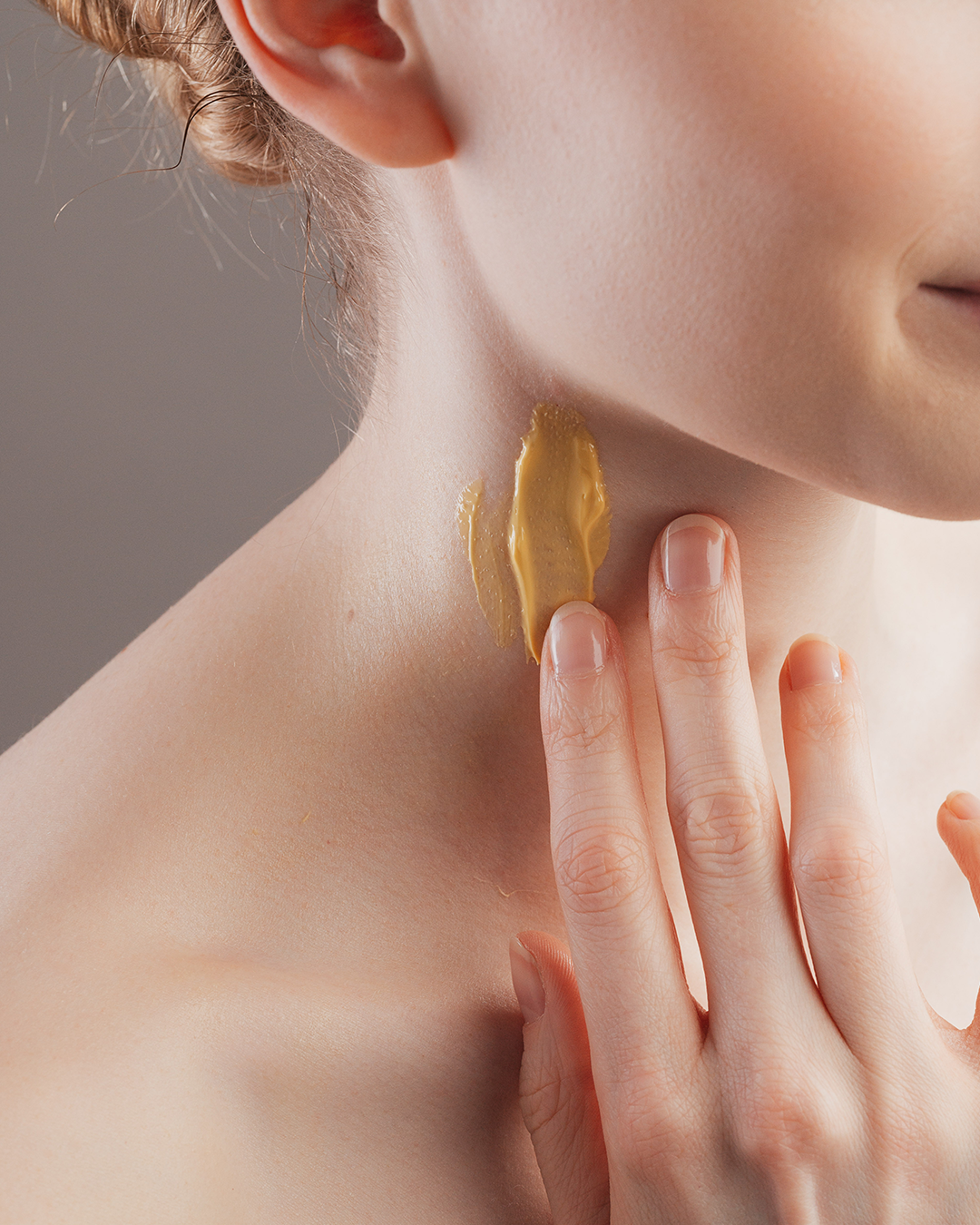
woman with cream on her neck

At a glance:

  • Retinol smooths wrinkles, promotes cell regeneration, stimulates collagen synthesis, combats impurities, and reduces pigmentation.
  • Dr. Spiller Retinol+ products are suitable for normal to dry skin, as well as blemished, calloused, and sensitive skin.
  • When used correctly, retinol strengthens the skin barrier.

What is retinol and how does it work against wrinkles?

Retinol is an active form of vitamin A and belongs to the retinoid group. It is best known for its ability to accelerate skin cell renewal. This means that old skin cells are replaced by new ones more quickly. In addition, retinol promotes the production of collagen, an essential protein that gives the skin its elasticity and resilience. These effects help to reduce fine lines and wrinkles, refine the skin's texture and make the overall complexion appear fresher and younger.

What effect does retinol have in a face cream?

Retinol in skin care products is particularly effective because it stimulates the so-called cell renewal rate. This is a lifelong process in which the skin is constantly renewed by replacing old cells with new ones. In the epidermis, the uppermost layer of the skin, so-called keratinocytes are produced in the basal cell layer. From there, they slowly migrate to the skin's surface, where they dry out, keratinize, and are eventually shed.

Retinol also stimulates collagen production. This structural protein gives the skin its firmness and elasticity. Retinol also inhibits collagen breakdown. The skin gains elasticity and resilience, and the skin aging process is slowed down.

Retinol also supports the skin's protective barrier. This protects the skin from negative environmental factors such as the environment and other irritants. A healthy barrier is extremely important for keeping the skin healthy and resilient. In this way, transepidermal water loss (TEWL) can be reduced, maintaining the skin's moisture level.

Want to know more?

Retinol takes effect after being converted into what is known as retinoic acid. This active form binds to special receptors called RAR and RXR (proteins in the cell nucleus), where it specifically activates certain genes. In the uppermost layer of skin, retinoic acid promotes cell division and accelerates skin renewal. This leads to a more even, smoother complexion. At the same time, it loosens dead skin cells, reducing clogged pores and impurities and refining the complexion.

In the dermis (the deep layer of skin), retinoic acid stimulates fibroblasts to produce collagen and hyaluronic acid. This strengthens the skin structure and reduces wrinkles. At the same time, it inhibits enzymes such as MMPs (matrix metalloproteinases), which are responsible for the breakdown of collagen.

Pigment formation is also regulated. This is because the activity of tyrosinase (an enzyme responsible for pigment production) in the melanocytes (pigment cells) is reduced. As a result, existing pigmentation slowly fades.

In addition, retinol has an anti-inflammatory effect by inhibiting signaling substances that promote the development of inflammation in the skin. These messenger substances include IL-6 (interleukin-6) and TNF-α (tumor necrosis factor α). Overall, retinol supports healthy cell function, prevents skin aging processes, and visibly improves the appearance of the skin.

retinol+ cream and cream light

NEW: Dr. Spiller Retinol+ Creams –
The right product for every skin condition

Dr. Spiller Retinol+ products are powerful cocktails of active ingredients with maximum efficacy. They are suitable for mature skin and skin prone to blemishes. The lipid-rich Retinol+ Cream is a treat for normal to dry skin that shows visible signs of premature aging. Combination skin and skin prone to blemishes benefit particularly from Retinol+ Cream Light. In the warmer months, Retinol+ Cream Light provides all skin types with a pleasant lightness.

Thanks to the intelligent addition of targeted skin-soothing ingredients, even more sensitive skin can benefit from the effectiveness of Dr. Spiller's Retinol+ products.

The innovative Retinol+ creams are exclusively included in the RETINOL+ SET.

What types of retinol are found in Dr. Spiller Retinol+ creams?

Retinol+ Cream and Retinol+ Cream Light contain a pro-retinol compound, which is a symbiosis of four different retinoids and retinol-like active ingredients and covers the entire 360° spectrum of activity:

  • Pure, liposomally encapsulated retinol: the stability of the pure active ingredient is increased and it is transported into the deeper layers of the skin, where it unfolds its maximum effect with as little irritation as possible.
  • Hydroxypinacolone retinoate: Considered the next generation of retinoids, it is a more active and therefore particularly stable form of classic retinol. Particularly suitable for retinol beginners and sensitive skin.
  • Retinyl palmitate: Mild retinoid with a similar but more stable and gentler spectrum of activity than pure retinol.
  • Bakuchiol: Considered a plant-based, highly tolerable supplement to pure retinol.

The benefits of Dr. Spiller Retinol+ creams

The combination of different retinoids and bakuchiol with soothing, regenerating, and moisturizing active ingredients combines deep-acting anti-aging effects with intensive soothing and moisturizing properties. The result is supple, vital, and plump skin with youthful freshness. For the inimitable Dr. Spiller glow.

What should you keep in mind when using retinol cream?


There are a few tips for using retinol that we recommend you follow:

  1. Using skincare products containing retinol increases the skin's sensitivity to light. It is therefore essential to apply a sufficiently high sun protection factor (e.g. SUMMER GLOW Sun Sensitive SPF 50).

  2. Cosmetics containing retinol should not be used during pregnancy and breastfeeding.

  3. Those new to retinol should allow their skin to gradually become accustomed to the active ingredient. Depending on sensitivity, the frequency of application should therefore be increased from 3 times a week to once a day in the first month. The goal is to use the active ingredient in your daily skincare routine.

Those who are more experienced with retinol can integrate the products into their daily skincare routine immediately.
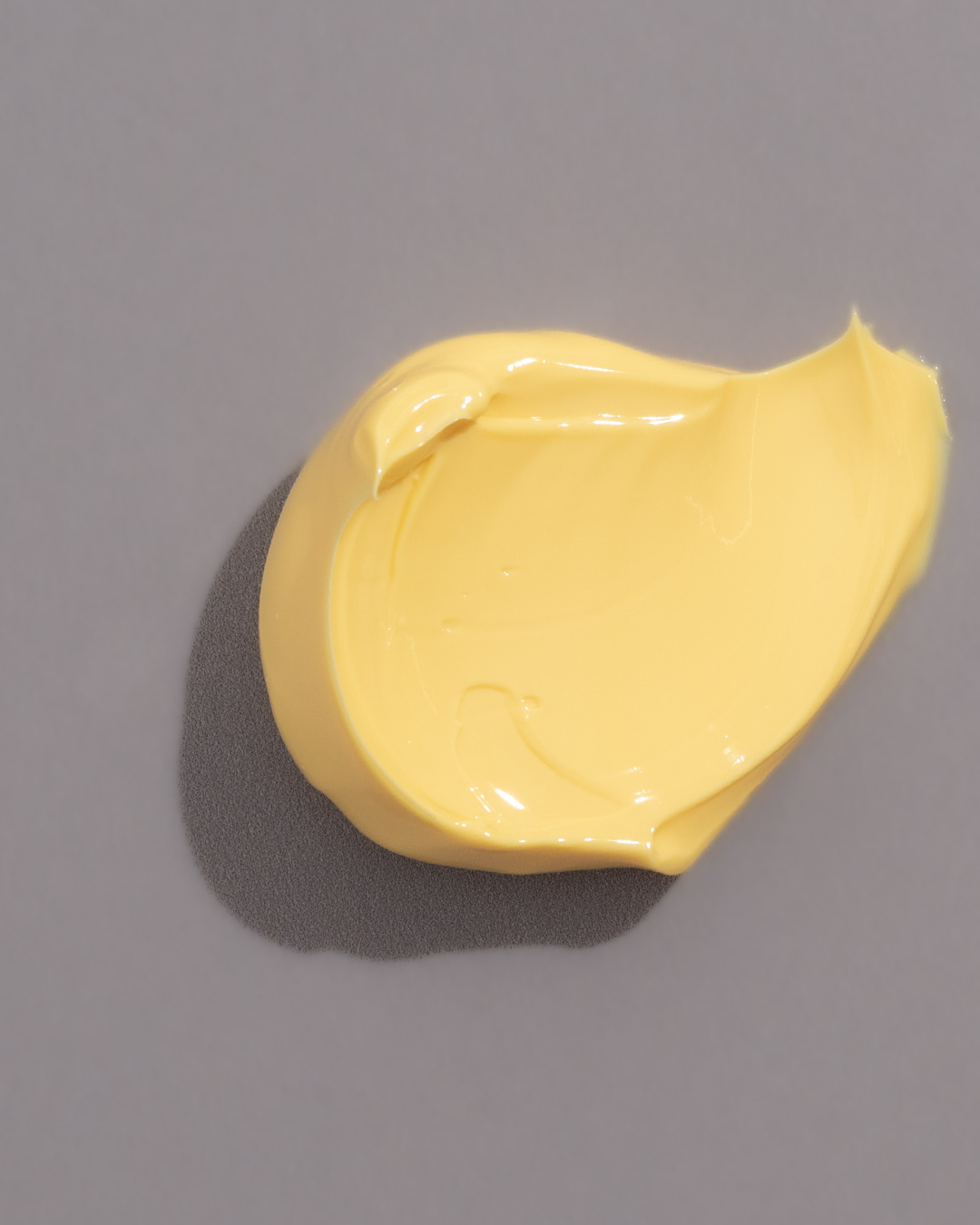
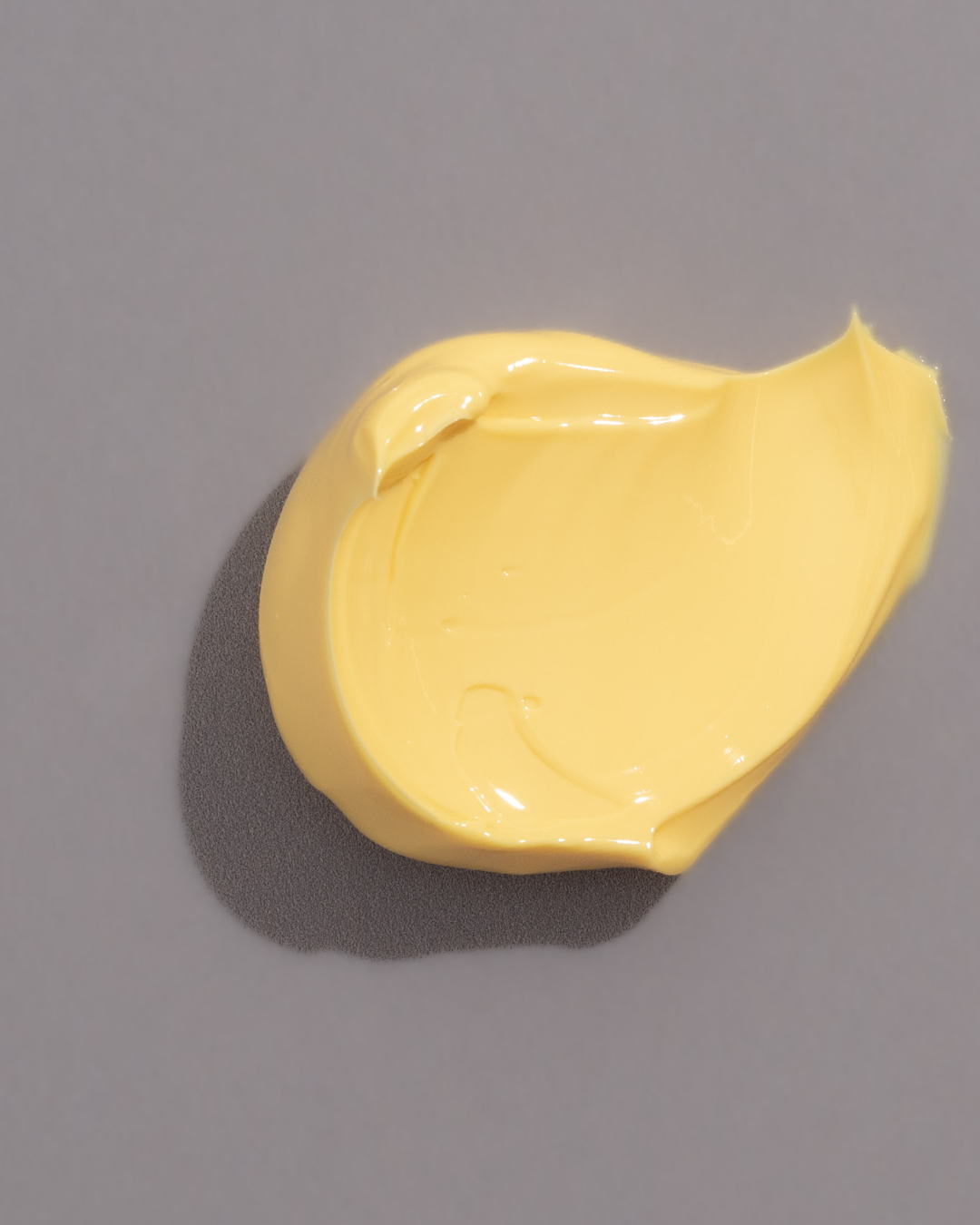
blob of cream

What should you keep in mind when using retinol cream?


There are a few tips for using retinol that we recommend you follow:

  1. Using skincare products containing retinol increases the skin's sensitivity to light. It is therefore essential to apply a sufficiently high sun protection factor (e.g. SUMMER GLOW Sun Sensitive SPF 50).

  2. Cosmetics containing retinol should not be used during pregnancy and breastfeeding.

  3. Those new to retinol should allow their skin to gradually become accustomed to the active ingredient. Depending on sensitivity, the frequency of application should therefore be increased from 3 times a week to once a day in the first month. The goal is to use the active ingredient in your daily skincare routine.

Those who are more experienced with retinol can integrate the products into their daily skincare routine immediately.

What is the difference between retinol cream and serum?

The difference between retinol cream and retinol serum lies mainly in their mode of action, texture, and concentration. Serums are lipid-free concentrates of active ingredients that hydrate the skin and supply it with essential active substances. They enable the skin to maintain its own functions and achieve intensive effects deep down into the skin layers.

The task of creams is to support the skin in seamlessly rebuilding its hydrolipid film. The availability of active ingredients is significantly increased and moisture is sealed into the skin. To achieve the best possible results and noticeable skin health, serum and cream should always be applied in combination with each other.

Tip: Dr. Spiller Retinol+ Serum contains liposomally encapsulated retinol in combination with PoreRefine and other first-class active ingredients. It has a slightly different active ingredient matrix compared to Retinol+ Cream and Retinol+ Cream Light. It is therefore an ideal complement to the retinol creams, as the combination of serum and cream greatly enhances the skincare effect.

What effect does retinol cream have on the skin barrier?

When used in the right dosage, retinol can strengthen the skin barrier in the long term. It promotes the formation of healthy new cells and evens out uneven skin tone. Combined with moisturizing and soothing ingredients, the skin remains healthy, vital, and resilient. Although retinol has been proven to be very effective, it can cause slight irritation at first, especially on sensitive skin. It is therefore advisable to start slowly and gradually increase the application to allow the skin to get used to the active ingredient.

Conclusion

Retinol is one of the most effective and well-researched active ingredients in anti-aging skincare. It stimulates cell renewal and collagen production, smoothing lines and wrinkles. Dr. Spiller's Retinol+ Cream and Retinol+ Cream Light combine highly effective retinol in four modern forms with soothing and moisturizing active ingredients. For effective results with optimal tolerability, also suitable for sensitive skin. With consistent use, the complexion is visibly and lastingly improved.

References

Bayerl C. (2016): Hautalterung und evidenz-basierte topische Strategien. In: Hautarzt; 67: 140–147.

Bayerl, C. (2018): Topisches Anti-Aging – Evidenz und Wirkprinzip. In: Aktuelle Dermatologie; 44(06): 277-291. URL: DOI: 10.1055/s-0044-102179.
Carazo, A. et al. (2021): Vitamin A Update: Forms, Sources, Kinetics, Detection, Function, Deficiency, Therapeutic Use and Toxicity. Nutrients, 13(5), 1703.
Rostkowska, E. et al. (2023): Dermatological Management of Aged Skin. Cosmetics, 10(2), 55.
Thielitz, A. (2013): Topical retinoids in acne--an evidence-based overview. In: J Dtsch Dermatol Ges. 2008 Dec;6(12):1023-31.
Zasada, M. et al. (2019): Retinoids: active molecules influencing skin structure formation in cosmetic and dermatological treatment. In: Advances in Dermatology and Allergology; XXXVI (4): 392-397.
FOLLOW US!

Dr. Spiller Instagram

Follow us and become part of the Dr. Spiller Instagram community!

View on Instagram

View on Instagram

View on Instagram