

Skin care for beautiful skin during menopause
Skin care for beautiful skin during menopause is the result of targeted care, inner balance, and conscious routines. As estrogen levels decline, skin appearance and needs change. The good news is that with the right care, nutrition, and lifestyle, your complexion can remain radiant and healthy even during menopause.
What is necessary for beautiful skin during menopause?
Beautiful skin during menopause requires tailored care and healthy routines. Moisture-binding active ingredients, barrier-strengthening lipids, a hormone-friendly diet, and a lifestyle that keeps the body and skin in balance are important.
Adapted skin care during menopause
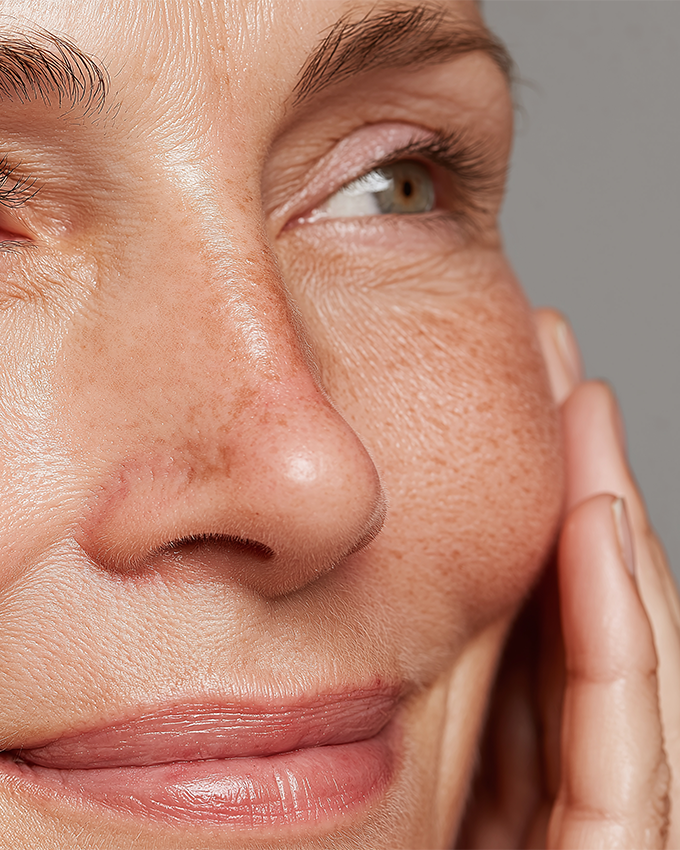
Declining estrogen levels reduce sebum production, which promotes dryness and irritation. Adapted care products have a hydrating, protective, and smoothing effect—for new suppleness and skin comfort.
Moisture – protection against dryness and tightness
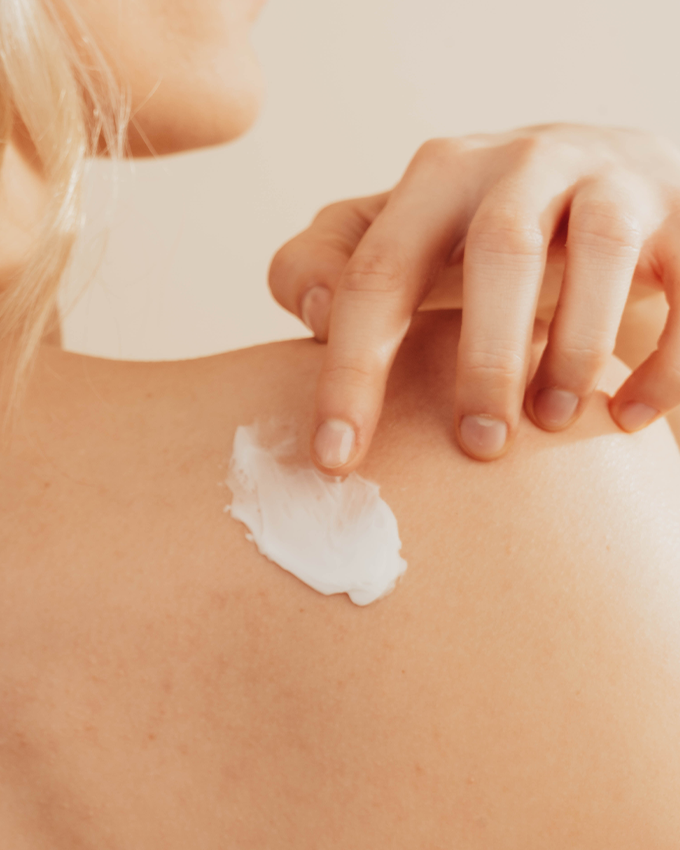
Hyaluronic acid, glycerin, Q10, and aloe vera provide intense moisture and prevent feelings of tightness. These active ingredients visibly improve the complexion and ensure elasticity.
Lipids – strengthening the skin barrier
Ceramides, plant oils, Q10, algae proteins, and omega fatty acids promote the reconstruction of the natural skin barrier – essential for preventing water loss and reducing irritation.
Gentle cleansing – less irritation, more care
During menopause, the skin becomes more sensitive. A pH-neutral, nourishing, and soap-free cleanser protects against dryness and irritation.
Product recommendation:Royal Jelly Cream or Dr. Spiller Wash Cream – gentle, balancing, moisture-preserving.
Stress management & sleep
Getting enough sleep and practicing targeted relaxation techniques—such as meditation or breathing exercises—supports the skin during its nightly renewal phase.
Exercise & skin circulation
Moderate exercise, especially in the fresh air, promotes microcirculation and thus supplies the skin with oxygen and nutrients – for a rosy, vital complexion.
Retinol, hyaluronic acid, vitamin C, niacinamide, Q10
These active ingredients stimulate cell renewal, smooth wrinkles, strengthen the skin structure, and even out irregularities—for a radiant, even complexion.
Hormone-like plant substances (phytoestrogens)
Extracts from soy, oats, red clover, or wild yam have an estrogen-like effect and can support the skin from the inside and outside in cases of loss of elasticity and dryness.
The role of estrogen for the skin
Estrogens promote collagen formation, strengthen blood vessels, and improve skin density. When hormone levels are stable, the skin appears youthful, moisturized, and elastic.
What happens when there is a lack of estrogen?
The decline in estrogen leads to dry, thin, and less resilient skin. The result: wrinkles, itching, tightness, and a dull complexion.
What helps the skin despite declining hormone levels?
Targeted care products containing Q10, hyaluronic acid, ceramides, and regenerating active ingredients can compensate for hormone deficiency. In addition, a hormone-friendly diet supports skin balance.
This may also be interesting:

Face cream during menopause
Face cream plays a key role during menopause in providing targeted care for hormone-related skin changes. Due to declining estrogen levels...
Skin longevity during menopause
Skin longevity during menopause is significantly influenced by the reactivation of oxygen supply to the skin cells. Oxygen plays a central role in maintaining...

Dry skin during menopause
Dry skin during menopause is a common symptom of hormonal changes. In addition, the oxygen supply to the cells decreases with age, leading to a significant...
Dr. Spiller Instagram
Follow us and become part of the Dr. Spiller Instagram community!